

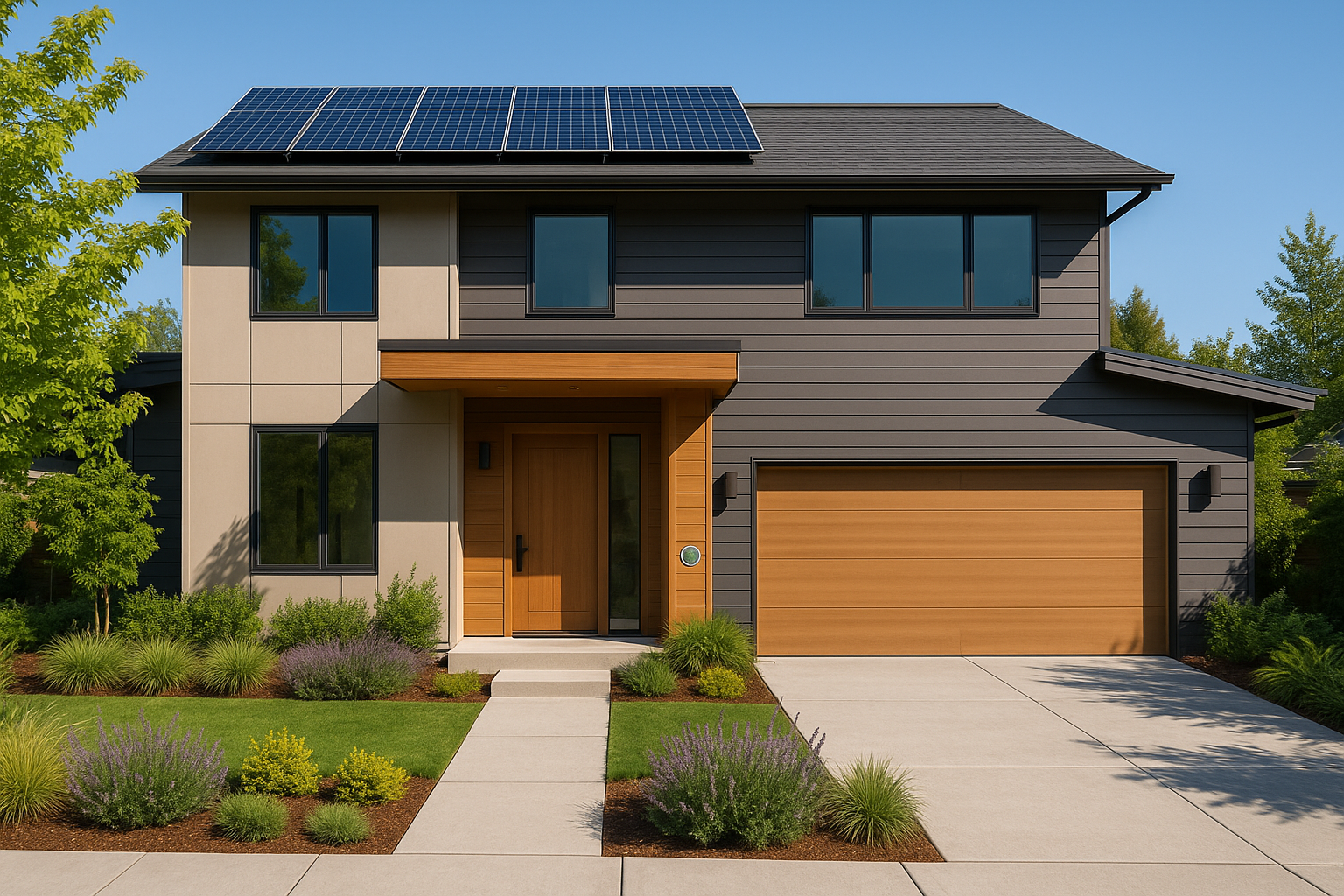
Green homes aren’t just a trend, they’re quickly becoming a necessity. In Washington State, where sustainability is a core community value, energy-efficient housing is reshaping the way people buy, finance, and invest in property. This shift is supported by innovative loan products like Energy-Efficient Mortgages (EEMs), which are unlocking new opportunities for both first-time and repeat buyers.
What Are Energy-Efficient Mortgages (Eems)?
Energy-Efficient Mortgages allow borrowers to finance the cost of energy-saving improvements or purchase homes that meet specific energy standards. These loans increase the borrowing power of the applicant without requiring a larger down payment or higher income qualification.
There are two primary types:
- FHA EEM: Backed by the Federal Housing Administration.
- Conventional EEM: Often offered through Fannie Mae or Freddie Mac.
Both provide the means to make upgrades that reduce long-term utility costs while still qualifying for a standard mortgage.
Why Green Homes Are Gaining Ground in Washington
From Seattle to Spokane, and especially in eco-conscious Bellevue, green living is top of mind. Homebuyers are increasingly prioritizing properties with solar panels, high-efficiency HVAC systems, low-emissivity windows, and eco-friendly insulation.
Contributing factors include:
- Rising energy costs in Washington
- Environmental awareness
- Government incentives and rebates
- Long-term cost savings
How EEMs Work: A Simplified Overview
Here’s how the process typically unfolds:
- The buyer applies for a mortgage and requests EEM eligibility.
- An energy audit is conducted to assess the home’s efficiency.
- The appraiser includes the projected savings in the home valuation.
- Loan limits are adjusted to cover the cost of improvements.
- Funds are escrowed and disbursed after improvements are completed.
This makes it possible for homebuyers to roll upgrades, like solar panels or insulation, into the mortgage itself, rather than paying out-of-pocket.
Energy-Efficient Mortgage Options in Washington State
Washington residents have access to several EEM paths:
- FHA EEM: Allows up to 5% of the home’s value (max $8,000) for improvements
- VA EEM: Available to eligible veterans
- Conventional EEMs through Fannie/Freddie: Tailored for energy-rated homes
- Washington State Housing Finance Commission (WSHFC): Offers green homebuyer programs
Each has different qualification requirements but shares the common goal of promoting efficient, sustainable living.
Green Financing Benefits for Washington Homebuyers
The advantages of using an EEM go beyond monthly savings. Benefits include:
- Lower utility bills from day one
- Increased home value
- Possible tax credits and rebates
- More comfortable and healthy living environment
- Favorable loan terms due to improved debt-to-income ratios
EEMs empower buyers to invest in their property’s efficiency without financial strain.
The Role of Appraisals and Energy Audits
Energy audits are required to verify the estimated utility savings and justify the loan amount. These audits measure:
- Air leakage
- HVAC system performance
- Insulation levels
- Window and door efficiency
Appraisers then consider this data to determine how improvements increase home value, which helps validate higher loan limits.
Common Misconceptions About Green Mortgages
Many buyers mistakenly believe that:
- EEMs are only for new construction
- They require huge upfront costs
- The application process is more complex than a standard mortgage
In reality, EEMs are accessible, well-supported by lenders, and suited to both new and existing homes including older homes in Bellevue that need retrofits.
Real Estate Trends: Demand for Sustainable Housing
As younger buyers enter the market, sustainability has become a key selling point. According to Redfin and Zillow reports, green-certified homes sell faster and at a premium in Washington.
Builders are responding with:
- LEED-certified communities
- Passive House designs
- Smart-home integrations
Real estate agents in Bellevue are even beginning to list energy efficiency scores in MLS listings to attract eco-minded buyers.
How Bellevue Buyers Can Qualify for an EEM
If you’re buying in Bellevue, here’s how to prepare:
- Request a home energy audit early. This ensures time for appraisals and contractor bids.
- Work with a mortgage lender familiar with EEMs.
- Ensure your credit, income, and debt-to-income ratios are solid.
- Get quotes from licensed contractors for the proposed upgrades.
The key is early planning especially in a competitive market like Bellevue where timelines are tight.
Future Incentives and Legislative Support in WA
Washington State is expanding support for green building through legislation like:
- The 2025 Clean Buildings Expansion Act
- Evergreen Sustainable Development Standards (for affordable housing)
These efforts may soon include:
- Expanded rebates for heat pumps and solar
- Utility provider discounts for high-efficiency homes
- Streamlined permitting for green upgrades
All of which could further improve the ROI of an energy-efficient mortgage.
Expert Tips: Making Your Home More EEM-Ready
Want to boost your chances of EEM approval?
- Upgrade lighting to LED throughout.
- Seal gaps around windows and doors.
- Install a smart thermostat.
- Consider an energy recovery ventilator (ERV).
- Swap old appliances for ENERGY STAR-rated models.
These changes improve audit scores and are often eligible for incentives, even without major renovations.
Global Perspectives: How Washington Compares to Other Green Markets
Washington is a leader in sustainable housing within the U.S., but how does it stack up globally? Countries like Germany, Sweden, and Canada have long led in eco-housing initiatives. Washington is catching up with:
- High adoption of heat pump systems
- Municipal solar initiatives
- Regional green building codes
Comparing these benchmarks offers valuable lessons that local policymakers and builders can adapt.
Builder Incentives and Partnerships Fueling Eco-Innovation
Washington developers and builders are increasingly embracing green partnerships. Programs like Built Green, Earth Advantage, and ENERGY STAR for Homes are creating competitive advantages for builders that meet specific efficiency standards.
Incentives include:
- Fast-tracked permitting
- Property tax reductions
- Marketing exposure via certification programs
This helps reduce costs and broaden the appeal of energy-efficient homes to a wider market.
Community Case Study: Bellevue’s Greenest Neighborhoods
In Bellevue, neighborhoods like Somerset and Bridle Trails are leading the charge in sustainable housing. Features include:
- Electric vehicle infrastructure
- Community solar co-ops
- Native landscaping and stormwater management
These communities demonstrate how city planning, neighborhood activism, and smart financing combine to build truly future-proof housing clusters.
From Blueprint to Reality: Designing a Net-Zero Energy Home
For those building from scratch, the goal of a net-zero home is more accessible than ever. Design considerations include:
- South-facing orientation
- Triple-pane windows
- On-site solar plus battery storage
- Advanced HVAC and passive heating/cooling
Financing such builds through EEMs or companion loans allows homeowners to commit to sustainability from day one.
How to Advocate for Sustainable Lending in Your Community
Want to make an impact beyond your own home? Consider:
- Supporting legislation for green lending standards
- Encouraging your city council to offer green building incentives
- Hosting local workshops on sustainable financing
Homeowners, lenders, and agents can all play a role in shifting the conversation toward responsible, resilient housing finance.
Final Thoughts: The Smart Path to a Sustainable Home
Energy-efficient mortgages are not just a financing trend, they’re a gateway to more sustainable, cost-effective homeownership in Washington. For Bellevue buyers, especially, they offer a smart way to invest in both your future and the environment.
As green homes continue to shape the market, those who adopt early will enjoy not only monthly savings, but also long-term property appreciation, comfort, and peace of mind.
FAQs
What is an energy-efficient mortgage in Washington?
An energy-efficient mortgage (EEM) allows Washington homebuyers to finance energy-saving upgrades or purchase homes with high efficiency ratings, increasing borrowing power without additional down payment.
Are there special programs for energy-efficient mortgages in Bellevue, WA?
Yes, Washington residents—including Bellevue buyers—can access FHA, VA, and conventional EEMs, as well as state-supported programs through the Washington State Housing Finance Commission.
How do I qualify for an energy-efficient mortgage?
You’ll need a standard mortgage approval, plus a certified energy audit, contractor quotes for improvements, and lender documentation. A qualified loan officer can guide the process.
Can I use an EEM to upgrade an older home in Bellevue?
Absolutely. EEMs are ideal for retrofitting existing homes with upgrades like insulation, smart thermostats, and ENERGY STAR appliances.
Are there any tax incentives for energy-efficient homes in Washington?
Yes, federal and local programs may offer tax credits, rebates, and utility discounts for qualifying energy-efficient improvements.


